DAVINCI / INSIGHTS
Security technology gains trust when it is clear about what is recorded, why it is recorded and who can access the results. Privacy should therefore be a design requirement, not a policy written after cameras are installed.
Define a legitimate purpose for every viewpoint
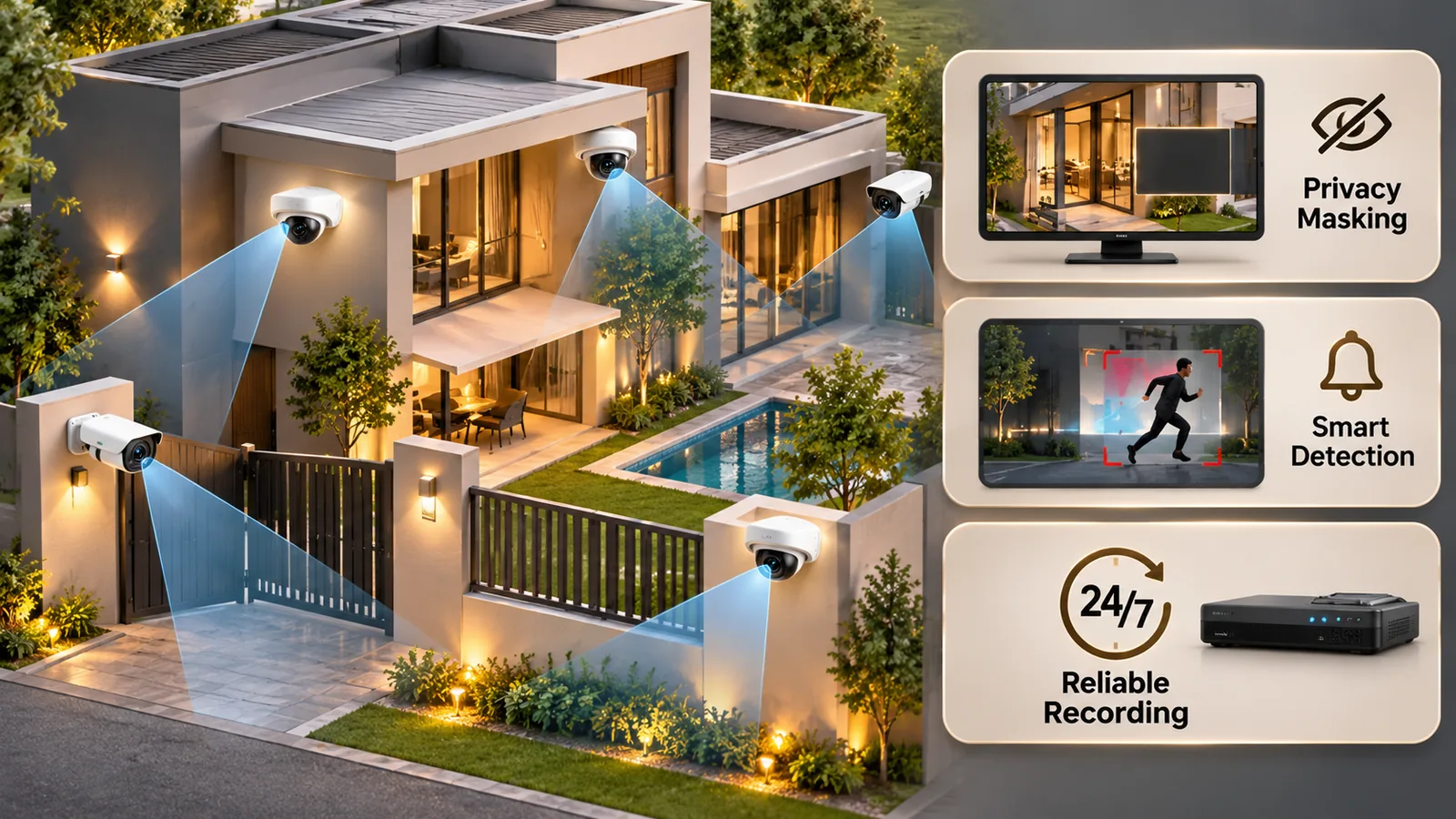
Before specifying camera positions, explain what operational risk each viewpoint addresses. A camera intended to protect an entrance should not casually capture unrelated private spaces. Avoid overcollection and consider physical masking or privacy zones when appropriate.
Review applicable privacy, employment, surveillance and data-protection laws for each location. This article is general guidance and not a substitute for local legal advice.
Placement and transparency matter
Angles, mounting height and field of view affect both security effectiveness and the amount of personal information collected. Operators should document what each camera sees, including adjacent public or private areas. Where required, provide clear notices and accessible information about processing.
Audio recording can raise separate consent and legal issues and should never be assumed acceptable simply because a device offers a microphone.
Limit access to footage
Use named accounts, appropriate permissions, strong authentication and access logging where supported. Avoid shared administrator passwords and unrestricted links. Review permissions when employees change roles or leave the organization.
Define export procedures for incidents. The ability to download footage does not remove the duty to protect it during transfer, storage and eventual disposal.
Set a defensible retention period
Keeping video indefinitely creates cost, operational burden and additional privacy exposure. Retention policies should follow applicable law and documented needs, with controlled exceptions for legitimate incidents and legal holds.
Set automatic deletion or overwrite rules where appropriate, and test whether they work as intended. Backups and exported footage should be covered by consistent policies.
Treat cybersecurity as part of privacy
Cameras, recorders, gateways and remote viewing portals require secure configuration and supported updates. Separate the surveillance environment from unrelated systems where feasible, disable unused services and limit internet exposure.
A well-designed system balances useful evidence, restricted access and clear responsibility over the entire footage lifecycle.
Map the complete footage lifecycle
Document a camera’s purpose, authorized viewers, storage destination, retention rule, incident export process and eventual deletion. Include temporary downloads, mobile devices, backups and third-party support access. A privacy zone visible in a live-view interface should be checked against actual recorded and exported footage.
Run a privacy acceptance test
Walk the scene and inspect what the camera captures beyond the intended doorway or perimeter. Confirm signage and any required notices, restrict audio features unless lawful and justified, and review who can search, export or share recordings. Test user deactivation and audit logs before handover. The precise legal basis and retention period depend on jurisdiction and context.
DAVINCI perspective: The best technology is measured by real outcomes, responsible operation and the confidence of the people who rely on it.