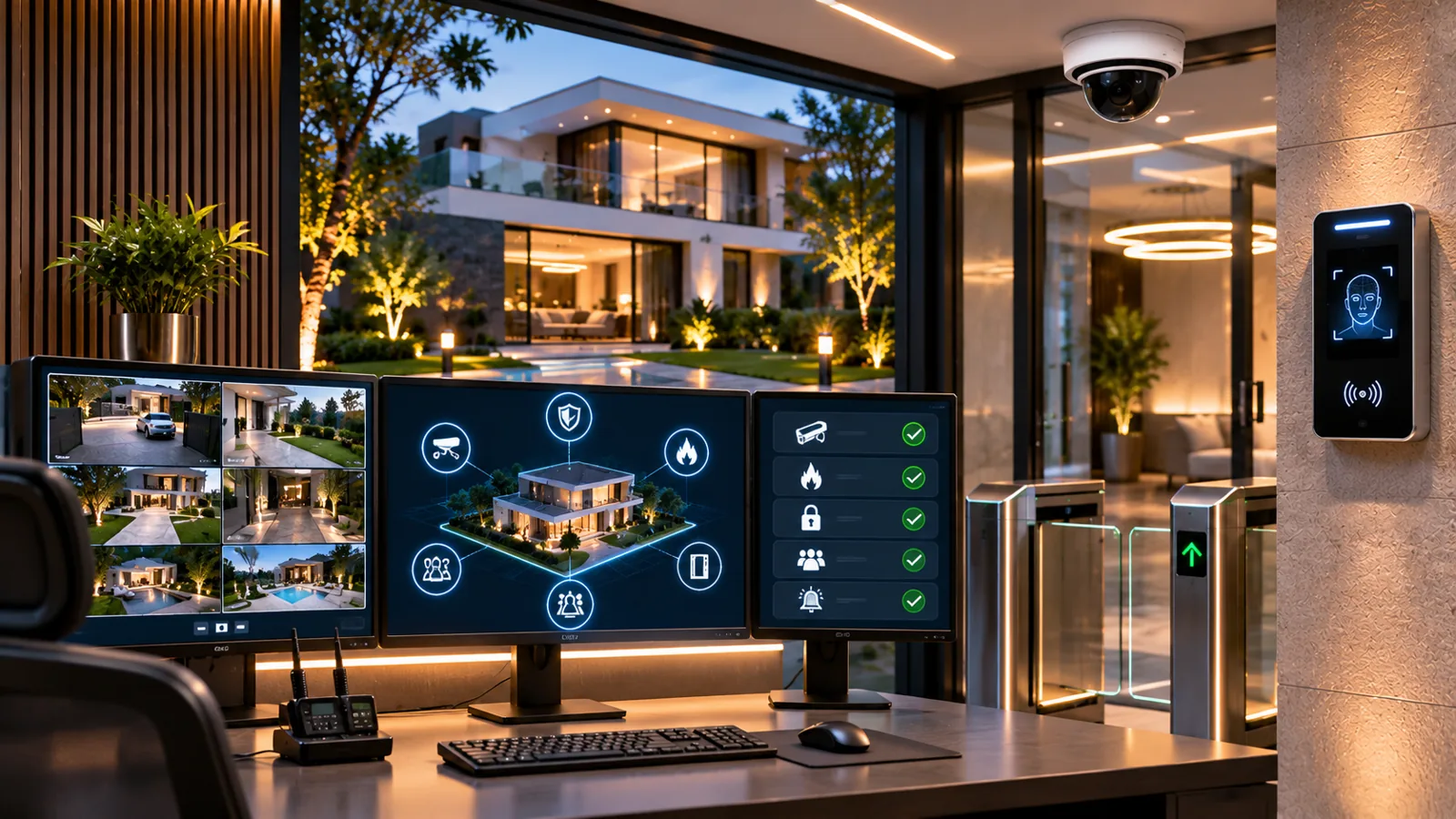
DAVINCI / INSIGHTS
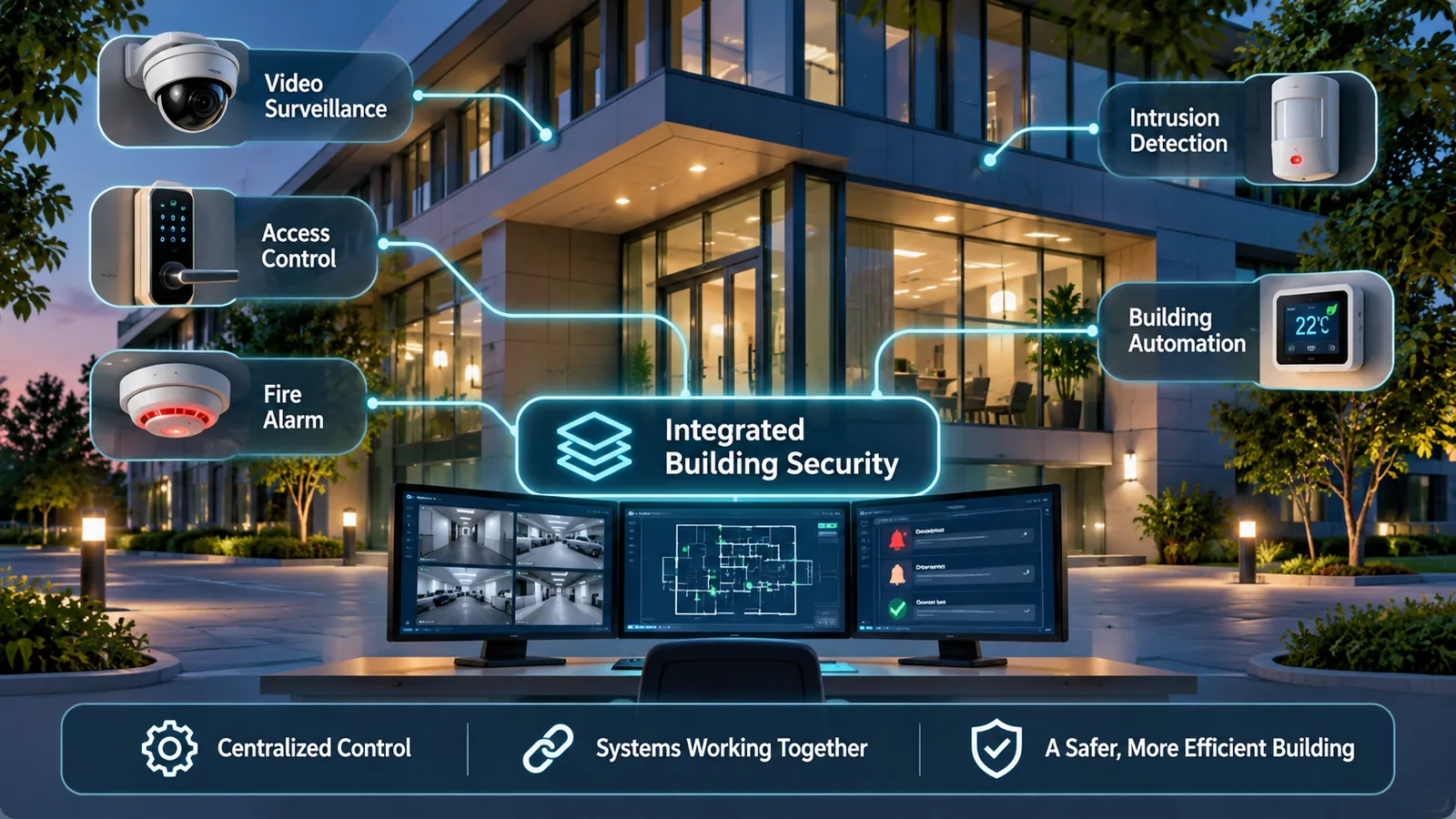
A building can have excellent standalone surveillance, access control and alarms yet still create fragmented information for its operators. Integration can improve context and response, provided that it does not add fragile dependencies.
Start with operational scenarios
Write down the event the building needs to manage. For example, what should happen when a protected exterior door is forced open outside normal hours? An integrated workflow might correlate a door event with nearby video and notify authorized staff.
The purpose of integration is to help people make correct decisions, not to create the greatest possible number of automated actions.
Separate monitoring from critical control
Some platforms collect events and display information without directly controlling life-safety equipment. This separation can be desirable. Any interface to fire alarms, door release or other safety-critical functions must comply with local rules and approved design.
Avoid relying on an internet connection or non-certified consumer software for mandatory emergency functions.
Interoperability has limits
Published APIs, supported drivers and device profiles can simplify connections, but feature coverage varies. Confirm the exact versions and events supported and what happens when a component is offline.
A successful laboratory integration does not guarantee the same behavior across firmware revisions, network failures or complex site permissions.
Cybersecurity and roles are shared responsibilities
Integrating multiple systems can increase the consequences of weak credentials or overly broad permissions. Use role-based access, logging, segmented networks and documented service accounts where feasible.
Decide which team owns each device, integration, credential and incident response procedure. Clear ownership is as important as software compatibility.
Design graceful failure
If the integration layer stops working, core authorized entry, mandated fire safety and essential surveillance recording should continue according to their approved designs. Test fallback behaviors and provide operators with a documented manual process.
The strongest smart buildings are not those with the most connections, but those whose important functions remain predictable under stress.
Example: a forced-door event
When a monitored door reports forced entry, the access-control system may generate a timestamped event, the video system may bookmark the relevant camera view and the operator console may present both to an authorized responder. Before deploying this workflow, test clock synchronization, event latency, false alarms and the effect of a disconnected recorder or network segment.
Define ownership and fallback
Create a responsibility matrix covering device firmware, API credentials, alarm routing, backups and escalation contacts. Agree which events can be acknowledged, which can trigger automatic action and which require a human decision. Keep approved life-safety functions independent of nonessential dashboards, and test that core systems remain operational if the integration server is offline.
DAVINCI perspective: The best technology is measured by real outcomes, responsible operation and the confidence of the people who rely on it.